TMD / TMJ TREATMENT

IN MARTINSBURG

JAW PAIN, HEADACHES, CLENCHING?

There’s a Non-Surgical Way to Correct the Source.

At Tuscarora Dental, we provide a physiologic, non-surgical approach toTMD (Temporomandibular Disorders) designed to relieve symptoms andrebuild a stable bite.

Many of our patients come to us after months — or years — of searchingfor answers.

They’ve tried medications.

They’ve considered injections.

They’ve been told surgery may be the next step.

Our process is different.

We focus on restoring balance to the jaw system — not masking symptoms.

TMD RARELY FEELS LIKE “JUST A JAW PROBLEM.”

Common symptoms we evaluate include:
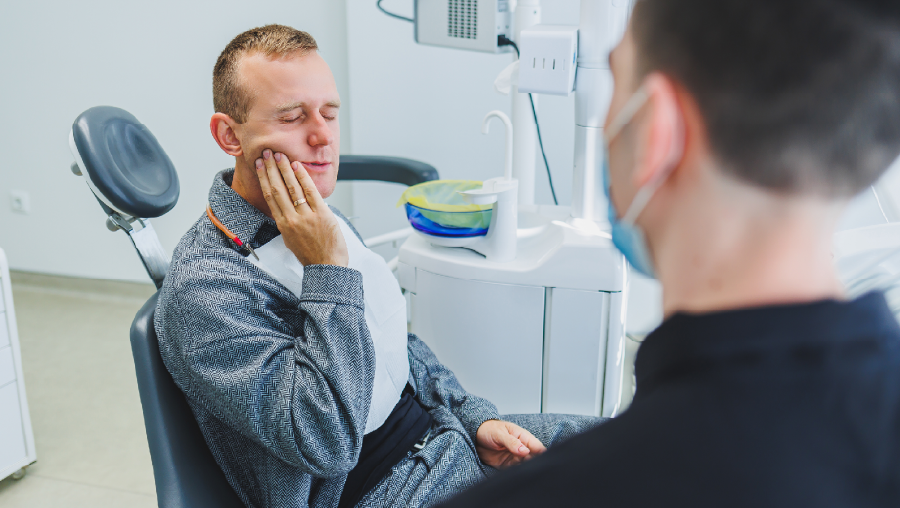
Headaches or migraines

Clicking or popping

Jaw pain or tightness

Facial pain or fatigue

Clenching and grinding
(especially at night)

Bite changes or “nothing feels even”

Bite changes or “nothing feels even”

Neck and shoulder tension

OUR APPROACH: PHYSIOLOGIC TMD CARE

DENTISTRY BEYOND THE JOINT

TMD is rarely just a joint issue.
It involves the relationship between:

Jaw Position

Muscle Function

Bite Stability
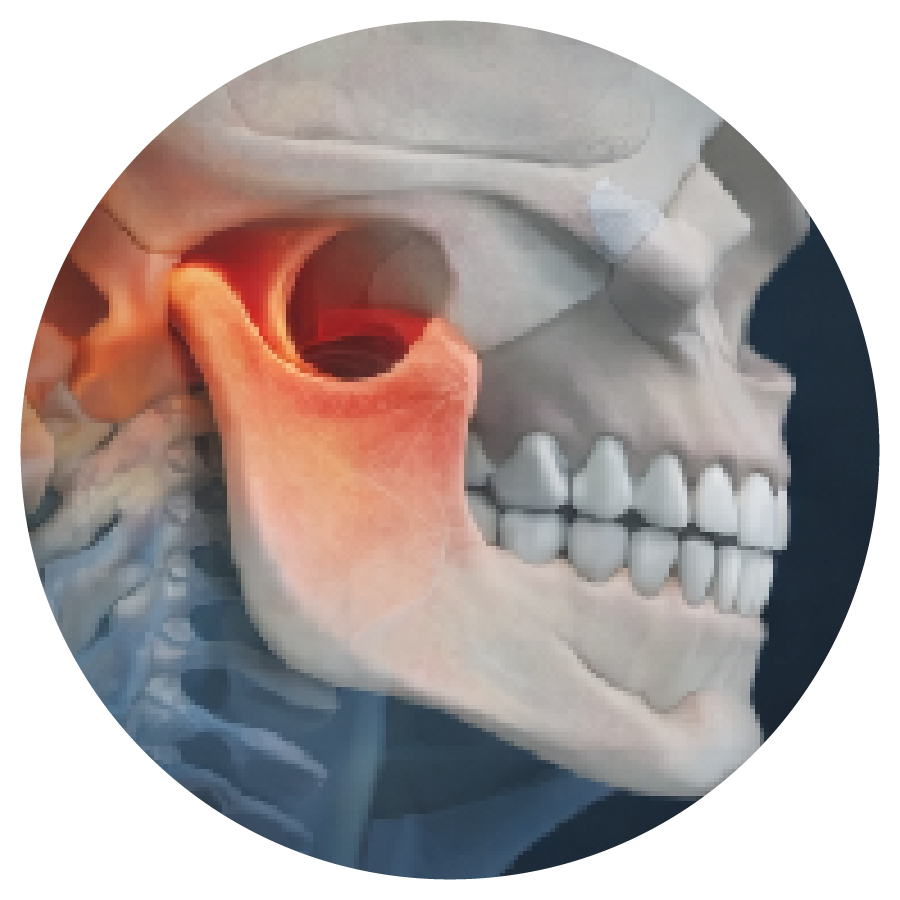
Joint health
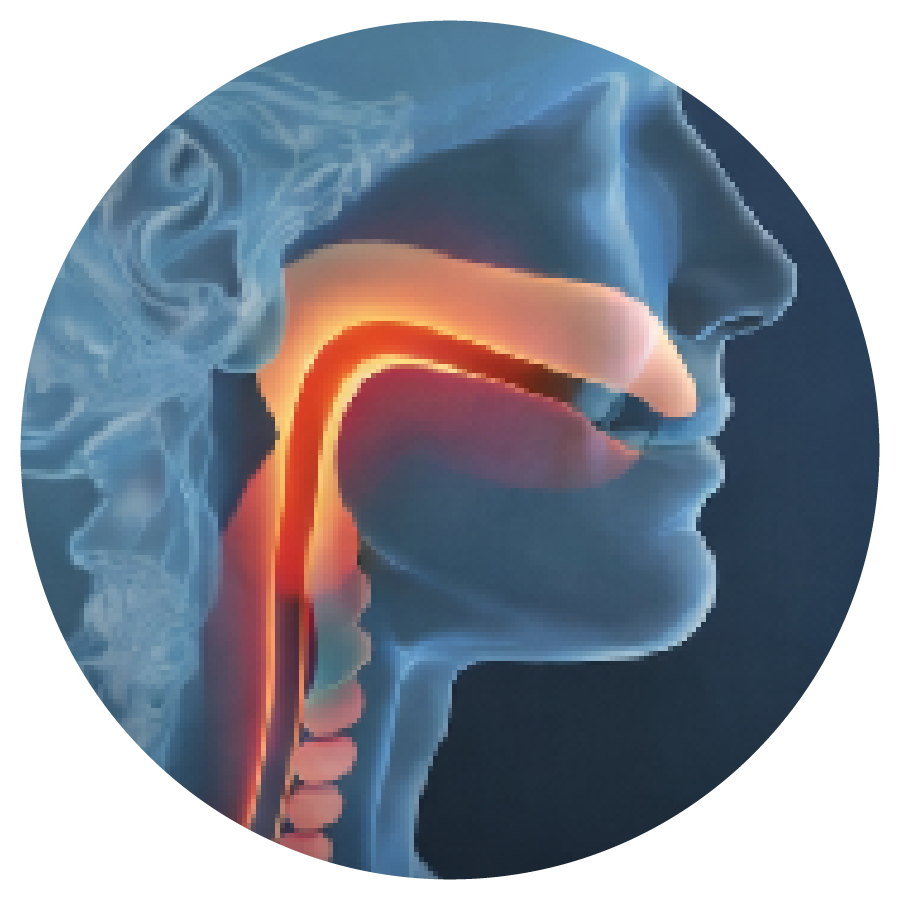
Airway dynamics

Rather than forcing the jaw into position or masking discomfort, we determine where
the system can function most comfortably and predictably.

We do this through a structured 3-step process.
YOUR 3-STEP PROCESS TMD PATHWAY

STEP 1: COMPREHENSIVE TMD EVALUATION (REQUIRED TO START)

Before treatment begins, we perform a detailed evaluation to assess muscle function and joint position.

This includes:

TMD muscle evaluation & diagnostic records

CBCT imaging with radiology report
(TMJ/joint assessment)

This step allows us to:

Determine whether you are a candidate for physiologic care

Understand the stability of your joints

Outline appropriate treatment options

NO TREATMENT BEGINS WITHOUT DATA.

STEP 2: PHASE 1 — HEALING + DIAGNOSTIC
“TEST DRIVE”

CONFIRM STABILITY BEFORE MAKING PERMANENT CHANGES

In Phase 1, you will wear a custom orthotic designed to:

Reduce muscle strain

Decrease joint overload

Allow inflammation to calm

Test a healthier bite position

Think of this as a structured “test drive” of a new bite position.

What to Expect in Phase 1:

Orthotic worn consistently as directed

Regular follow-up visits to monitor progress

Symptom tracking and bite stability assessment

Typical timeline: 3–12 months (varies by case severity)

Many patients report noticeable symptom improvement early in this phase.
However, lasting stability takes time — and we confirm that stability before moving forward.

The goal of Phase 1 is simple:

Relieve symptoms.

Confirm the most stable, physiologic bite position.

Think of this as a structured “test drive” of a new bite position.

STEP 3: PHASE 2 — MAKE THE TEETH
HOLD THE NEW BITE

LONG-TERM STABILITY WITHOUT THE ORTHOTIC

Once Phase 1 confirms stability, we transition to Phase 2.

In this phase, porcelain restorations are used to allow your teeth to permanently hold the new, stable bite position.
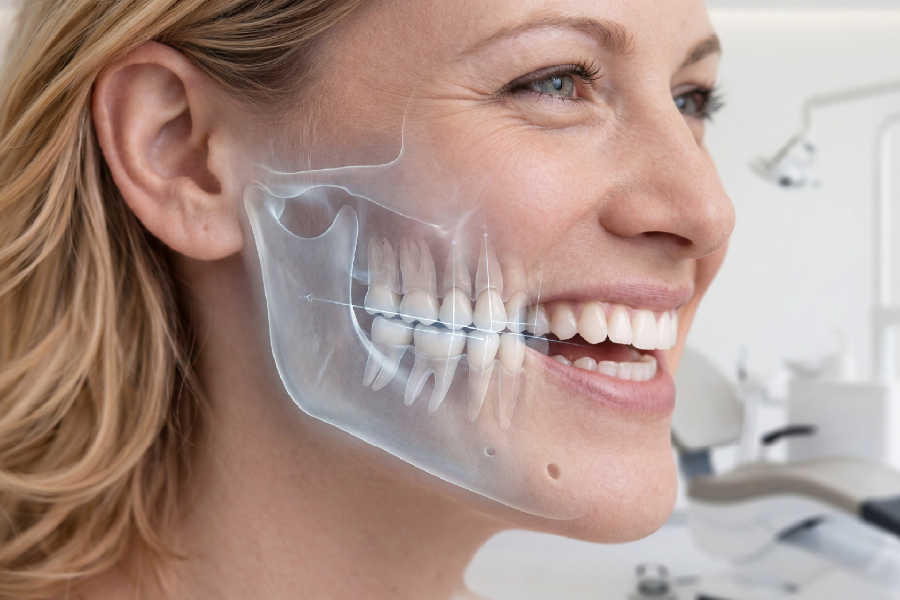
This means:

No long-term dependence on an orthotic

Structural support for your new jaw position

Long-term correction rather than temporary management

This means:

The number of teeth involved cannot always be determined until
after the evaluation — and sometimes not until Phase 1 is complete.

Every case is unique.

UNDERSTANDING LONG-TERM INVESTMENT

WHAT DOES PHASE 2 INVOLVE?

Phase 2 is highly personalized. The scope depends on how many teeth must be built up to support and
maintain your new bite position. Some patients require limited restorations.

We do not determine long-term
investment until:

Your evaluation is complete

We’ve confirmed your most stable bite
position in Phase 1

What you can expect from us:

Clear explanations

Transparent recommendations

A structured plan

No pressure to proceed before you’re ready

THERE ARE NO SURPRISES — JUST DECISIONS BASED ON DATA AND STABILITY.
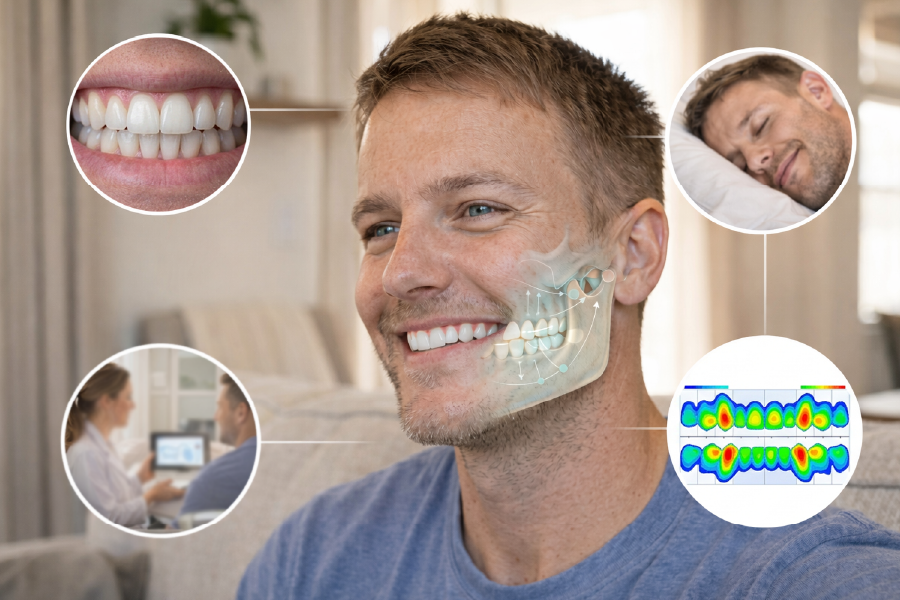
WHY PATIENTS CHOOSE THIS APPROACH

Non-surgical

Structured and measurable

Focused on root cause, not symptom masking

Stability confirmed before permanent work begins

Designed for long-term correctio

Many patients tell us this is the first time their symptoms were
explained in a way that made sense.

You’re not broken.

Your system adapted.

Our role is to restore balance.

WHAT YOUR TIMELINE MAY LOOK LIKE

Comprehensive/
TMD evaluation

Phase 1 Orthotic
(3–12 months)

Phase 2 Long-Term Bite Support

EVERY STEP IS INTENTIONAL.

FAQ

Frequently Asked Questions

START WITH UNDERSTANDING

If jaw pain, headaches, or clenching have been affectingyour quality of life, the first step is clarity.

We begin with evaluation — not assumptions.

*Please do not submit any Protected Health Information (PHI).

Thank you! Your submission has been received!
Oops! Something went wrong while submitting the form.

Start Your Smile Journey Today